



















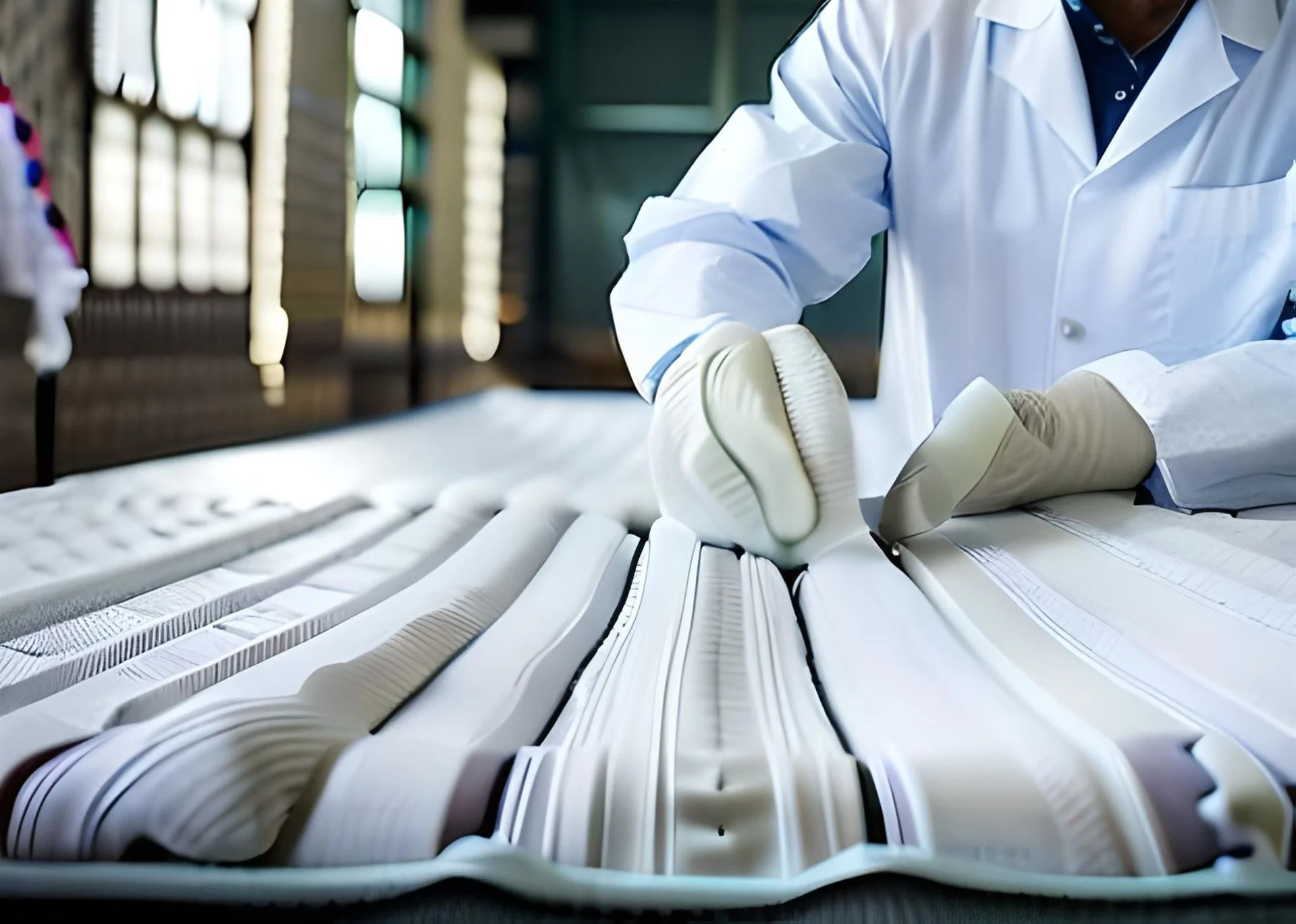

Super Bond’s rubber based adhesives are designed to deliver unmatched flexibility, high durability, and superior bonding performance tailored for the automotive, footwear, furniture, and manufacturing sectors.
Rubber based adhesives are versatile bonding agents formulated with rubber as the primary component, engineered to deliver exceptional adhesion across diverse substrates. These contact adhesives excel at bonding rubber, metal, plastic, fabric, and numerous other materials, making them indispensable across multiple industries.
Superbond’s rubber based adhesive solutions are prepared through a precise manufacturing process involving the dissolution of natural rubber in organic solvents such as toluene, hexane, or heptane. The rubber based glue formulation is then enhanced by incorporating compounding additives, including tackifier resins and softening agents, which optimise performance characteristics.
The rubber-based adhesive formulation is carefully balanced to deliver excellent bonding strength, flexibility, and durability. Each component in the formulation plays a vital role — from providing elasticity to improving workability and long-term performance.
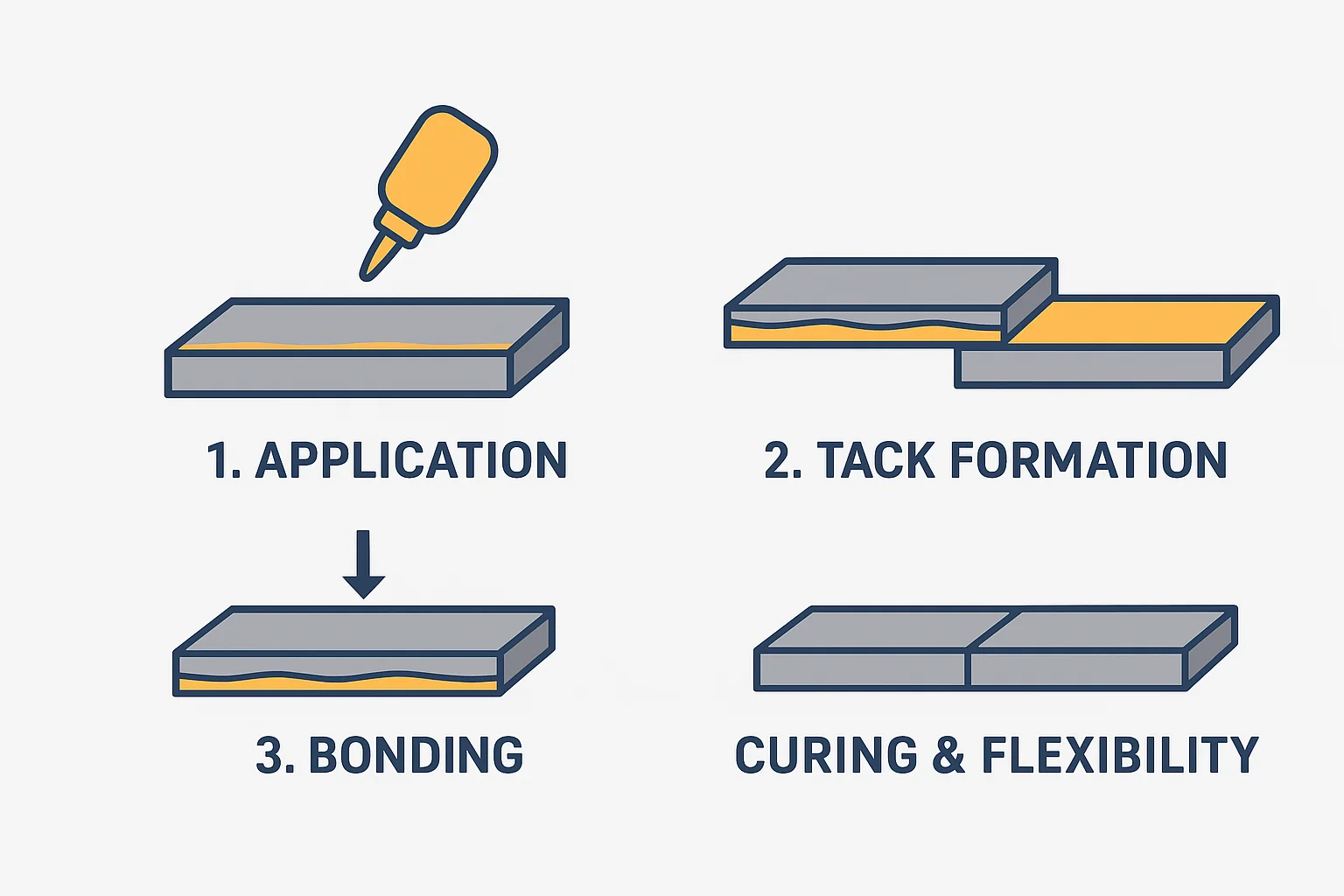
Rubber based adhesive formulations work through contact bonding, a process where a thin adhesive film is applied to both surfaces to be joined, allowed to dry until tacky, and then pressed together. Once the surfaces meet, the rubber polymers instantly form a strong, flexible bond without additional curing or heat.
Store in Cool, Dry Environment
Store adhesives between 15°C to 25°C (60°F to 80°F) away from direct sunlight to prevent viscosity changes and maintain shelf life.
Keep Away from Heat and Ignition Sources
Maintain distance from flames, sparks, heat sources, and electrical equipment as rubber adhesives are highly flammable and vapors can form explosive mixtures with air.
Ensure Adequate Ventilation
Work in well-ventilated areas or use exhaust fans to disperse harmful fumes and volatile organic compounds (VOCs) that can cause dizziness and respiratory issues.
Wear Personal Protective Equipment
Use nitrile gloves, safety goggles, and respirators or face masks to prevent skin contact, eye irritation, and inhalation of hazardous vapors during application.
Keep in Tightly Sealed Containers
Close containers immediately after use to prevent solvent evaporation, moisture contamination, and maintain adhesive consistency and performance.
Avoid Skin and Eye Contact
Prevent direct contact with skin and eyes as adhesives can cause irritation; wash exposed areas immediately with soap and water, never use solvents on skin.
Dispose According to Regulations
Follow local hazardous waste disposal guidelines for used adhesives, contaminated materials, and empty containers to ensure environmental compliance and safety.
Store in Cool, Dry Environment
Store adhesives between 15°C to 25°C (60°F to 80°F) away from direct sunlight to prevent viscosity changes and maintain shelf life.
Keep Away from Heat and Ignition Sources
Maintain distance from flames, sparks, heat sources, and electrical equipment as rubber adhesives are highly flammable and vapors can form explosive mixtures with air.
Ensure Adequate Ventilation
Work in well-ventilated areas or use exhaust fans to disperse harmful fumes and volatile organic compounds (VOCs) that can cause dizziness and respiratory issues.
Wear Personal Protective Equipment
Use nitrile gloves, safety goggles, and respirators or face masks to prevent skin contact, eye irritation, and inhalation of hazardous vapors during application.
Keep in Tightly Sealed Containers
Close containers immediately after use to prevent solvent evaporation, moisture contamination, and maintain adhesive consistency and performance.
Avoid Skin and Eye Contact
Prevent direct contact with skin and eyes as adhesives can cause irritation; wash exposed areas immediately with soap and water, never use solvents on skin.
Dispose According to Regulations
Follow local hazardous waste disposal guidelines for used adhesives, contaminated materials, and empty containers to ensure environmental compliance and safety.
Durable rubber-to-metal bonds used across automotive, industrial, and aerospace applications offering strength, vibration isolation, and shock absorption in components from engine mounts to bridge bearings.
Bond diverse rubbers like natural, nitrile, neoprene, EPDM, and silicone for automotive, industrial, and construction uses, providing flexible, durable, and chemical-resistant bonds that endure heat and movement.
Bond rubber to plastics like polyethylene, polypropylene, PVC, and polyester, serving electronics and automotive industries for components such as seals, dashboards, and panels requiring moisture protection and impact resistance.
Bond foam to leather and rubber for applications in furniture, automotive seating, footwear, and accessories like handbags and belts, delivering durable, flexible, and waterproof bonds that withstand stress without cracking or peeling.
Bond rubber to textiles like nylon, polyester, cotton, and aramid for industrial uses such as reinforced hoses, conveyor belts, and protective fabrics, as well as in footwear, gloves, seals, and marine applications.
Provides quick, durable fixes for sealing gaskets, patching hoses, weatherstripping, and repairing conveyor belts or rubber linings with strong heat and water resistance.
Durable rubber-to-metal bonds used across automotive, industrial, and aerospace applications offering strength, vibration isolation, and shock absorption in components from engine mounts to bridge bearings.
Bond diverse rubbers like natural, nitrile, neoprene, EPDM, and silicone for automotive, industrial, and construction uses, providing flexible, durable, and chemical-resistant bonds that endure heat and movement.
Bond rubber to plastics like polyethylene, polypropylene, PVC, and polyester, serving electronics and automotive industries for components such as seals, dashboards, and panels requiring moisture protection and impact resistance.
Bond foam to leather and rubber for applications in furniture, automotive seating, footwear, and accessories like handbags and belts, delivering durable, flexible, and waterproof bonds that withstand stress without cracking or peeling.
Bond rubber to textiles like nylon, polyester, cotton, and aramid for industrial uses such as reinforced hoses, conveyor belts, and protective fabrics, as well as in footwear, gloves, seals, and marine applications.
Provides quick, durable fixes for sealing gaskets, patching hoses, weatherstripping, and repairing conveyor belts or rubber linings with strong heat and water resistance.

Clean and dry both surfaces to remove dust, oil, or grease.

Brush or spread a uniform layer of SuperBond Rubber Adhesive on both surfaces.

Allow solvent to evaporate for 5–10 minutes (tacky feel).

Press both surfaces firmly together ensuring full contact.

Let it set at room temperature for strong, flexible bonding.

Synthetic Rubber & Resin Blend
Viscous Liquid (Amber / Pale Yellow)
12 Months (in sealed container)
0.85 – 0.90 g/cm³
Medium (Brushable / Spreadable)
10 – 15 Minutes
Excellent (Rubber–Rubber / Rubber–Metal)
Room Temperature Vulcanizing (RTV)
-20°C to +80°C
High
SuperBond rubber based adhesives provide outstanding initial tack, long-lasting flexibility, and fast drying, ensuring reliable performance across rubber, metal, plastic, and leather applications. SuperBond sets itself apart with 50+ years of expertise, ISO-certified manufacturing, stringent quality checks, technical support, and a global customer base across the Middle East, East Asia, Africa, and the Indian subcontinent.
Choose SuperBond for:
A synthetic rubber based adhesive is formulated using natural or synthetic rubber as the main polymer, combined with additives and tackifiers to create a flexible, high-tack, durable bond suitable for dynamic and industrial applications.
These adhesives develop initial tack within a few minutes, gain handling strength in under an hour, and reach full cure in 24–48 hours, depending on substrate and ambient conditions.
Store in a cool, dry place, away from direct sunlight and heat. Keep containers tightly sealed. Ensure good ventilation during application and use protective equipment like gloves and eyewear.
Super Bond rubber based adhesives use organic solvents, typically toluene, hexane, or heptane, which dissolve the rubber polymer and evaporate as the adhesive cures.
The adhesive is prepared by dissolving rubber in a solvent and blending with tackifiers, plasticisers, and stabilisers. Apply a thin, uniform layer to surfaces, wait until tacky, then press the substrates together under firm pressure.
Superbond’s rubber based adhesive contains a blend of synthetic or natural rubber, tackifiers for strong initial grip, plasticisers for flexibility, solvents as carriers, fillers for consistency, and stabilisers for durability and shelf life.
Super Bond’s SR series (e.g., SR4X, SR5X) are optimized for rubber-to-rubber applications like sheets, hoses, and seals, ensuring flexible, strong bonds under dynamic conditions.
They bond rubber, metals (steel, aluminium), plastics, wood, laminates, leather, fabrics, and paper/board, making them versatile for automotive, furniture, mattress, footwear, and general industrial uses.
Rubber-based contact adhesives in the SR series are recommended for bonding rubber to plastic substrates. For best results, select a grade suitable for the specific plastic type.
Super Bond rubber based adhesive SR series grades provide strong, flexible bonds for metal substrates like frames, housings, and mounts, ideal for automotive and industrial applications.
Title- High Performance Rubber Based adhesives| Engineered for Strength and Durability| Superbond Adhesives
Meta Description- Superbond rubber-based adhesives deliver strong, flexible, and durable bonds for automotive, furniture, footwear, and industrial applications worldwide.