

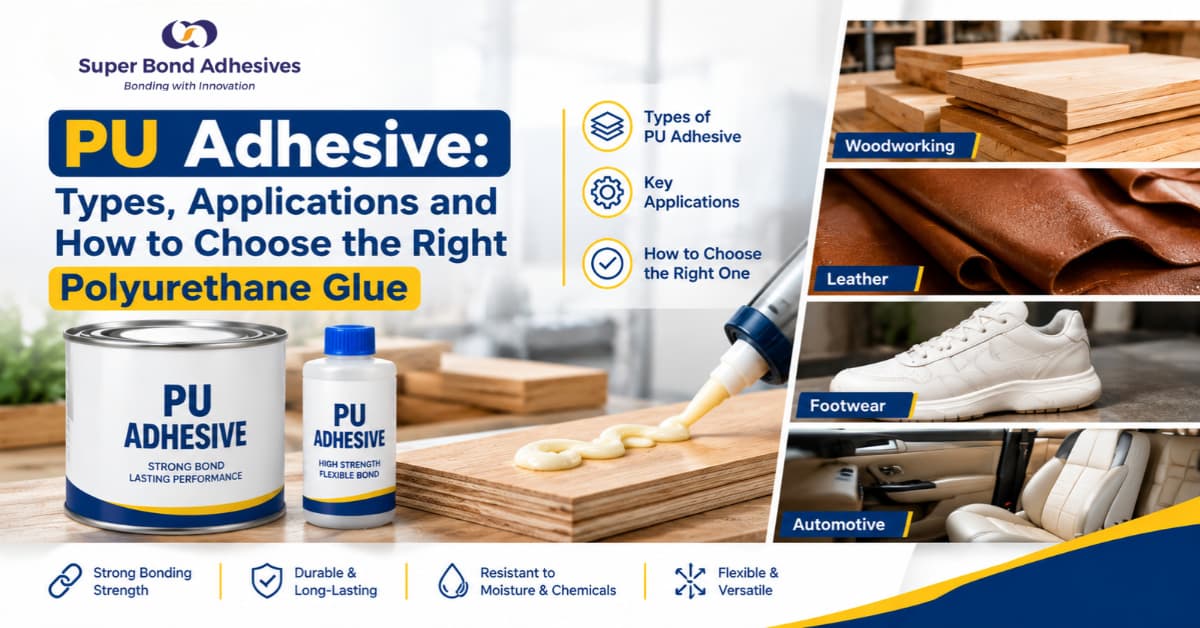
Choosing the right PU adhesive is important for manufacturers who need reliable bonding across different materials and industrial applications. Polyurethane adhesives are used in footwear, automotive, furniture, packaging, construction and manufacturing because suitable formulations can provide bonding strength, flexibility, and environmental resistance.
However, different applications require different adhesive technologies. Factors such as material compatibility, curing time, application method and production requirements influence product selection.
Superbond, an Indian adhesive manufacturer established in 1974, offers adhesive solutions across multiple industrial segments, including footwear, leather, automotive, packaging, foam and furnishing. Understanding polyurethane adhesive technologies can help manufacturers and procurement professionals identify suitable bonding solutions.
Key Facts
- PU adhesive: A polyurethane-based bonding material used for joining compatible substrates.
- Different formulations: Available as one-component, two-component, and reactive hot-melt systems.
- Industrial applications: Used in footwear, automotive, furniture, packaging, construction and insulation.
- Bonding performance: Different formulations offer varying levels of flexibility, strength, and moisture resistance.
- Selection factors: Material compatibility, curing time, application method, and environmental conditions influence adhesive selection.
What Is PU Adhesive and How Does It Work?
PU adhesive, also known as polyurethane adhesive, is a bonding material based on polyurethane chemistry. It is designed to join compatible materials such as leather, rubber, wood, metals, plastics, and other substrates.
Depending on the formulation, polyurethane adhesives cure through moisture exposure or a chemical reaction between two components.
Manufacturers use PU glue for applications requiring suitable bonding strength, flexibility, and resistance to different operating conditions.
Different Types of Polyurethane Adhesives
- One-component PU adhesive (1K)
One-component PU adhesive is supplied ready to use and does not require separate mixing. Many reactive formulations cure through exposure to atmospheric moisture. These materials are utilised in specific industrial bonding and sealing applications.
- Two-component PU adhesive (2K)
Two-component polyurethane adhesive contains two separate components, commonly resin and hardener. They must be mixed according to the manufacturer’s instructions before application. These systems are used where controlled curing and specific mechanical properties are required.
- PU hot-melt adhesive
PU hot-melt adhesive is applied in a heated, molten state. Reactive polyurethane hot melts can develop additional bonding properties through subsequent curing. They are used in selected footwear, furniture, assembly and lamination applications.
- PU foam adhesive
PU foam adhesive is designed for bonding compatible foam and insulation materials. It differs from conventional liquid PU glue in its formulation, application, and expansion characteristics.
Industrial Applications of PU Adhesive
Polyurethane adhesives are used across several industries. The right formulation depends on the materials, production process, and required bonding performance.
- Footwear and leather manufacturing
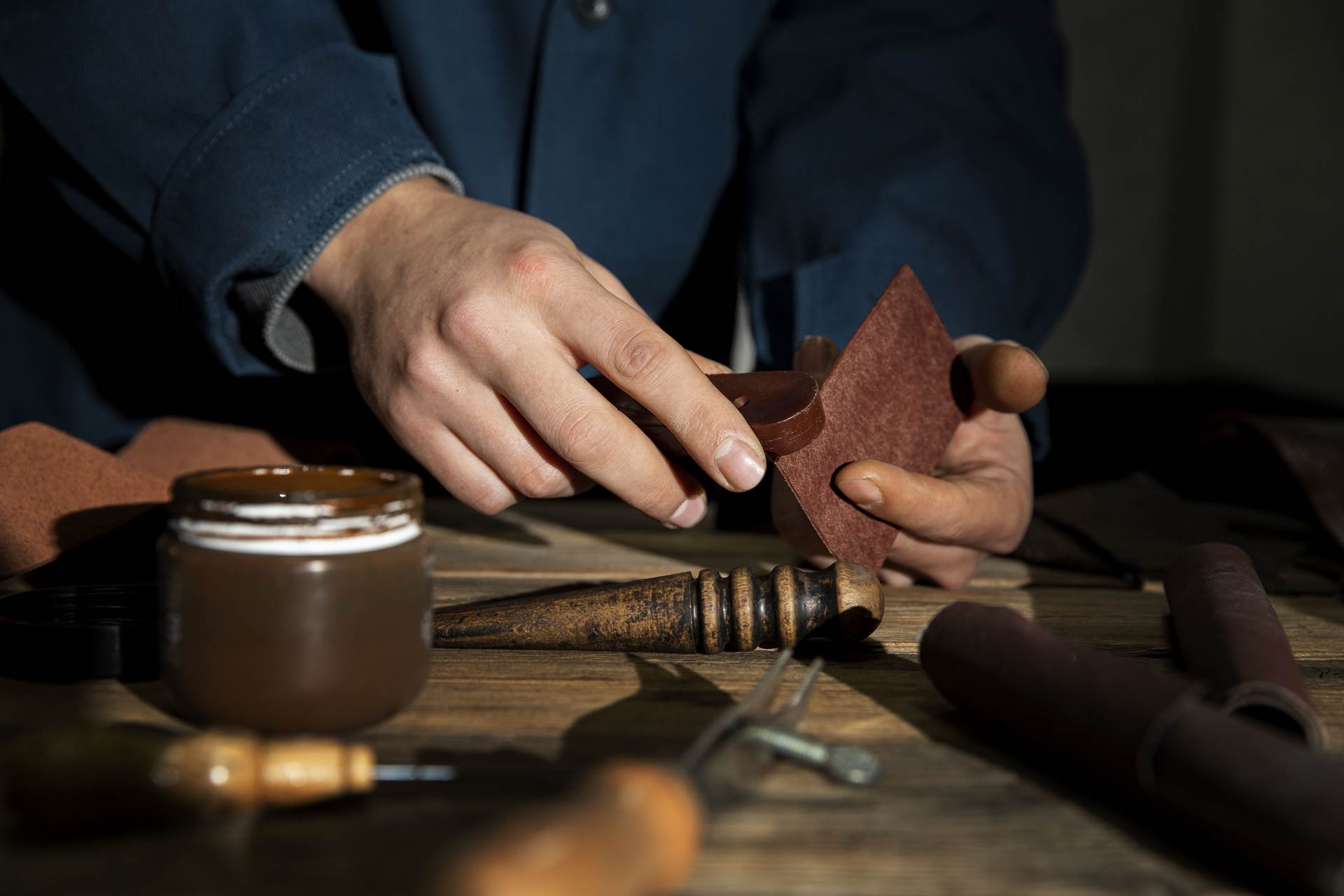
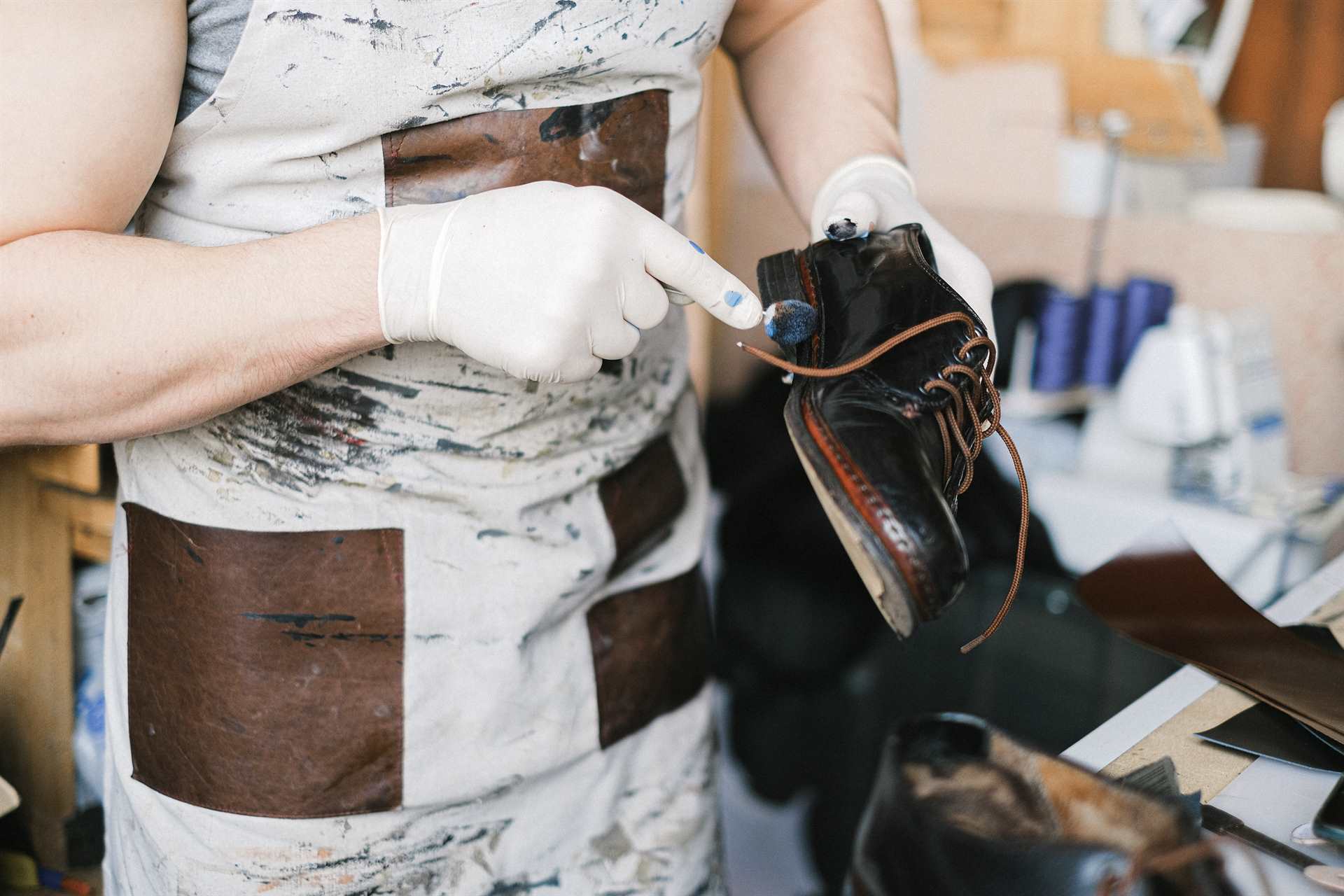
PU adhesives are used in suitable footwear applications, including sole attachment and bonding compatible leather and synthetic materials. Material compatibility and flexibility are crucial factors to take into account.
2. Automotive and auto components
Suitable PU formulations are used for bonding automotive components, interior assemblies, panels and dissimilar substrates. Depending on the application, impact and vibration resistance may be important.
- Furniture and woodworking
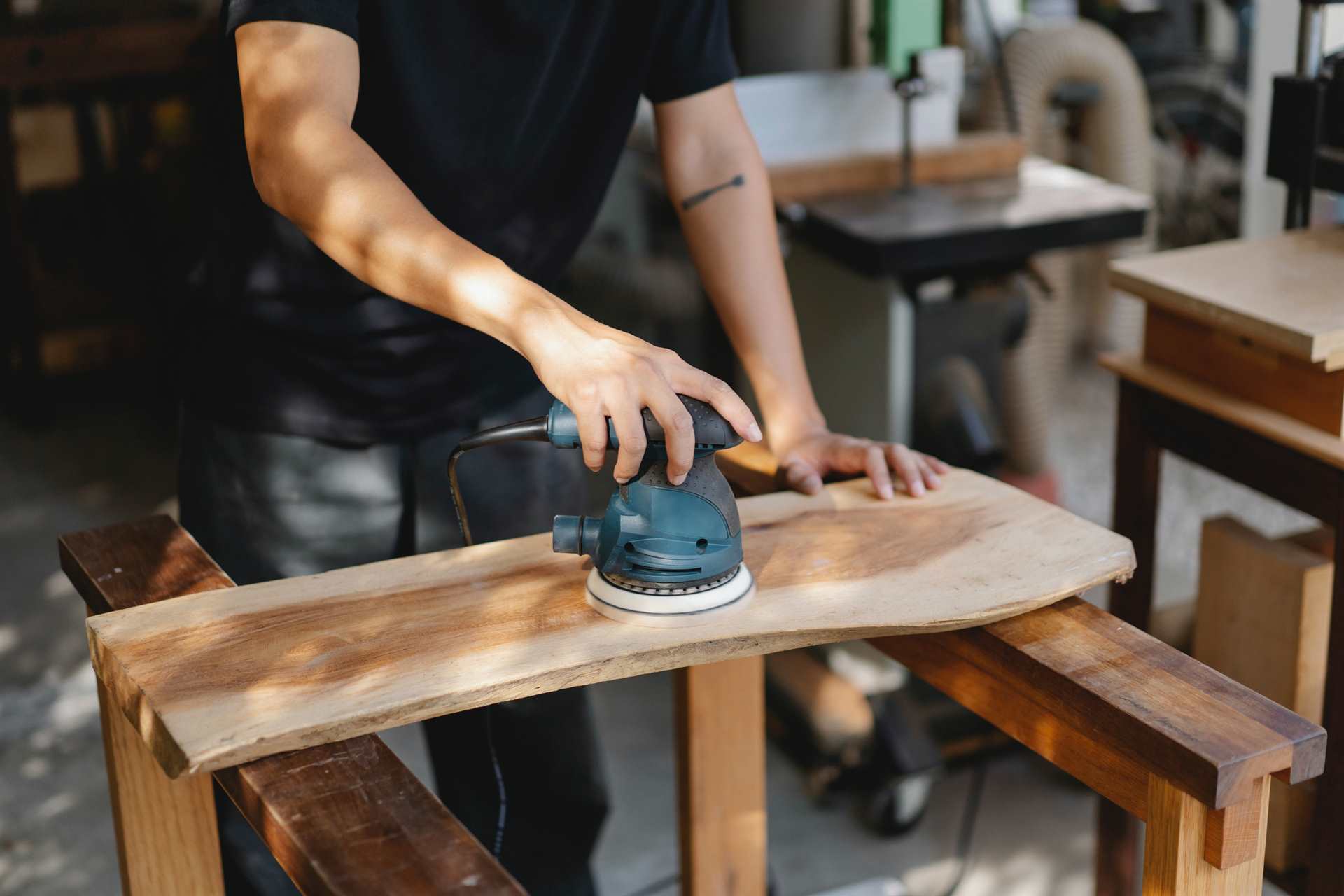
Polyurethane adhesives can be considered for compatible wood components, furniture assemblies and selected panel-bonding applications.
- Mattress and foam manufacturing
PU foam adhesive and other suitable bonding systems are used for joining compatible foam layers, upholstery and insulation materials.
- Packaging and lamination
Two-component polyurethane adhesives are used in flexible packaging to bond compatible films, including PET, BOPP, PE and metallised substrates.
- Construction and insulation
Suitable PU adhesive formulations are used for bonding insulation boards, sandwich panels and selected construction materials.
- Industrial manufacturing
PU adhesives support specialised assembly operations involving compatible plastics, metals, composites and other materials.
How to Apply PU Adhesive Correctly
Correct application helps manufacturers achieve consistent bonding performance.
- Surface preparation: Remove dust, grease, oil, and other contaminants.
- Material compatibility: Confirm that the adhesive is suitable for both substrates.
- Mixing: Mix resin and hardener according to the specified ratio for two-component products.
- Application: Apply using the recommended brush, roller, spray, or dispensing equipment.
- Joining: Position the materials and apply the recommended pressure.
- Curing: Allow the adhesive to cure according to the manufacturer’s instructions.
For production managers and factory owners, following the correct application procedure is important for maintaining consistent manufacturing quality.
How Strong Is PU Adhesive and Is It Waterproof?
PU adhesive can provide strong and durable bonding, but its performance depends on the formulation, surface preparation, substrate compatibility, and curing conditions.
Some formulations provide flexibility, impact resistance, and moisture resistance.
Is PU adhesive waterproof?
Certain polyurethane adhesives offer good water resistance after curing. However, not every PU adhesive is waterproof. Manufacturers should check technical datasheets for moisture resistance, temperature limitations, and suitability for their intended environment.
PU Adhesive vs Silicone Adhesive vs Self-Adhesive Tape
These products serve different bonding requirements and should not be treated as interchangeable.
| Product | Characteristics | Applications |
| PU adhesive | Polyurethane-based bonding | Footwear, automotive and industrial assembly |
| Silicone adhesive | Silicone-based bonding and sealing | Construction, glass and selected industrial applications |
| PU foam adhesive | Foam and insulation bonding | Construction and insulation |
| Self-adhesive tape | Pressure-sensitive adhesive on a backing material | Packaging, mounting and insulation |
Self-adhesive tapes are useful where quick application and pressure-sensitive bonding are required. PU adhesives are chosen for various assembly and bonding needs.
Advantages and Disadvantages of Polyurethane Adhesives
Advantages
- Bonding strength: Suitable formulations provide durable bonds between compatible substrates.
- Flexibility: Certain products accommodate movement and vibration.
- Versatility: Available for several industrial applications.
- Environmental resistance: Some formulations offer moisture, chemical, and temperature resistance.
- Technology options: Available in one-component, two-component, and hot-melt formats.
Disadvantages
- Some substrates require primers or special preparation.
- Two-component adhesives require accurate mixing.
- Certain formulations require longer curing periods.
- Some products need controlled storage and handling.
- Not every formulation is compatible with every plastic, rubber, or metal.
Choosing an Industrial PU Adhesive Manufacturer in India
Selecting a suitable adhesive supplier is important for manufacturers, industrial buyers, and procurement managers.
Before purchasing, evaluate:
- Manufacturing experience: Review the supplier’s industrial background.
- Product portfolio: Check whether its products match your bonding requirements.
- Technical documentation: Request product datasheets and safety information.
- Material compatibility: Confirm suitability for the substrates being bonded.
- Product consistency: Evaluate quality and consistency across supplies.
- Technical support: Look for application guidance and product recommendations.
- Bulk purchasing: Discuss supply availability, packaging and procurement requirements.
Importers, distributors and wholesalers should also evaluate product documentation, commercial supply arrangements and the manufacturer’s ability to support recurring orders.
Industrial Markets and Target Locations in India
India has manufacturing and procurement markets across several regions. Businesses sourcing industrial adhesives can evaluate suppliers and application support in the following target locations:
- Maharashtra: Mumbai and Pune
- Tamil Nadu: Chennai, Ambur and Ranipet
- Karnataka: Bengaluru
- Uttar Pradesh: Agra and Kanpur
- Haryana: Bahadurgarh and other Delhi NCR industrial markets
- Delhi: Delhi NCR
- Gujarat: Ahmedabad
- Punjab: Industrial manufacturing markets across the state
- Telangana: Industrial manufacturing markets across the state
- West Bengal: Industrial manufacturing markets across the state
These locations represent the geographic targeting for businesses seeking adhesive manufacturers, distributors, and bulk suppliers. Product availability and suitability should be confirmed directly with the supplier.
Superbond: Adhesive Solutions for Industrial Applications
Superbond is an Indian adhesive manufacturer with a history dating back to 1974. Its published portfolio covers hot-melt, water-based, and rubber/contact-based adhesive technologies.
Its footwear and leather segment includes PU and PU1001 adhesives, alongside brushable adhesives and primers for footwear manufacturing.
Superbond also serves other industrial application segments:
- Automotive: Adhesives for vehicle interiors and component assembly.
- Footwear and leather: Bonding solutions for compatible footwear materials.
- Adhesives for foam, fabric, and furniture parts are used in furnishings.
- Mattresses: Bonding foam layers, fabric covers and mattress components.
- Packaging: Adhesives for labelling, carton sealing and lamination applications.
- HVAC: Rubber-based bonding solutions for insulation and HVAC components.
- Woodworking: Hot-melt, water-based and rubber-based adhesives for suitable woodworking applications.
Explore Superbond’s footwear and leather adhesives, automotive adhesive applications, foam and furnishing solutions, mattress adhesives, packaging adhesives, HVAC adhesives, and woodworking adhesives.
For specific PU requirements, manufacturers and industrial buyers can contact Superbond to discuss suitable products and applications.
The Bottom Line
For producers in the footwear, automotive, furniture, packaging, construction, and industrial production industries, PU adhesive is a crucial bonding technique.
Selecting the right polyurethane glue requires evaluating material compatibility, bonding strength, flexibility, curing time, and environmental resistance. Understanding the differences between PU adhesive, PU foam adhesive, silicone adhesive, and self-adhesive tape can help businesses make better purchasing decisions.
With adhesive manufacturing experience dating back to 1974, Superbond offers solutions across multiple industrial segments, including PU adhesives for footwear applications. Manufacturers, distributors, and procurement professionals can connect with Superbond to discuss their specific requirements.
Frequently Asked Questions (FAQs)
1. What is PU adhesive?
PU adhesive is a polyurethane-based bonding material used to join compatible materials in footwear, automotive, furniture, packaging, and industrial applications.
2. How strong is PU adhesive?
Its bonding strength depends on the formulation, material compatibility, surface preparation, and curing conditions. Different formulations are designed for different mechanical requirements.
3. How to apply PU adhesive?
Clean the surfaces, check compatibility, mix components if required, apply the adhesive, join the materials, and allow sufficient curing time according to the manufacturer’s instructions.
4. What glue should I use on PU?
The correct adhesive depends on whether the material is PU foam, PU leather, or solid polyurethane. Choose a product specifically recommended for the substrate and application.
5. Is PU adhesive waterproof?
Some polyurethane formulations provide good water resistance after curing. Always verify the product’s moisture-resistance specifications.
6. How long does PU adhesive take to dry?
Drying and curing times vary. Check the manufacturer’s tack-free time, handling time, and full-cure specifications before production use.
7. What are the disadvantages of polyurethane adhesives?
Some limitations include longer curing times, surface preparation requirements, mixing requirements for two-component products, and storage sensitivity.
8. Is PU foam adhesive?
Indeed, PU foam adhesive is a polyurethane-based adhesive intended for use in insulation and foam applications. It differs from conventional liquid PU adhesive.
9. How to remove PU adhesive?
Uncured adhesive may be removable using a manufacturer-approved cleaner. Cured PU adhesive is more difficult to remove and may require mechanical removal. Follow the product safety instructions.
10. What is the strongest glue in the world?
There is no universally strongest glue. Bonding performance depends on the materials, joint design, environmental conditions, and type of force involved. PU, epoxy, and other specialised adhesives serve different requirements.
11. What glue dries immediately?
Some cyanoacrylate instant adhesives develop handling strength within seconds on suitable materials. However, initial bonding does not mean complete curing or suitability for every industrial application.
12. What is the difference between PU adhesive and silicone adhesive?
PU adhesive is chosen for appropriate bonding applications and employs polyurethane chemistry. For flexible bonding and sealing, silicone adhesive is frequently utilised. Their properties and applications differ.